
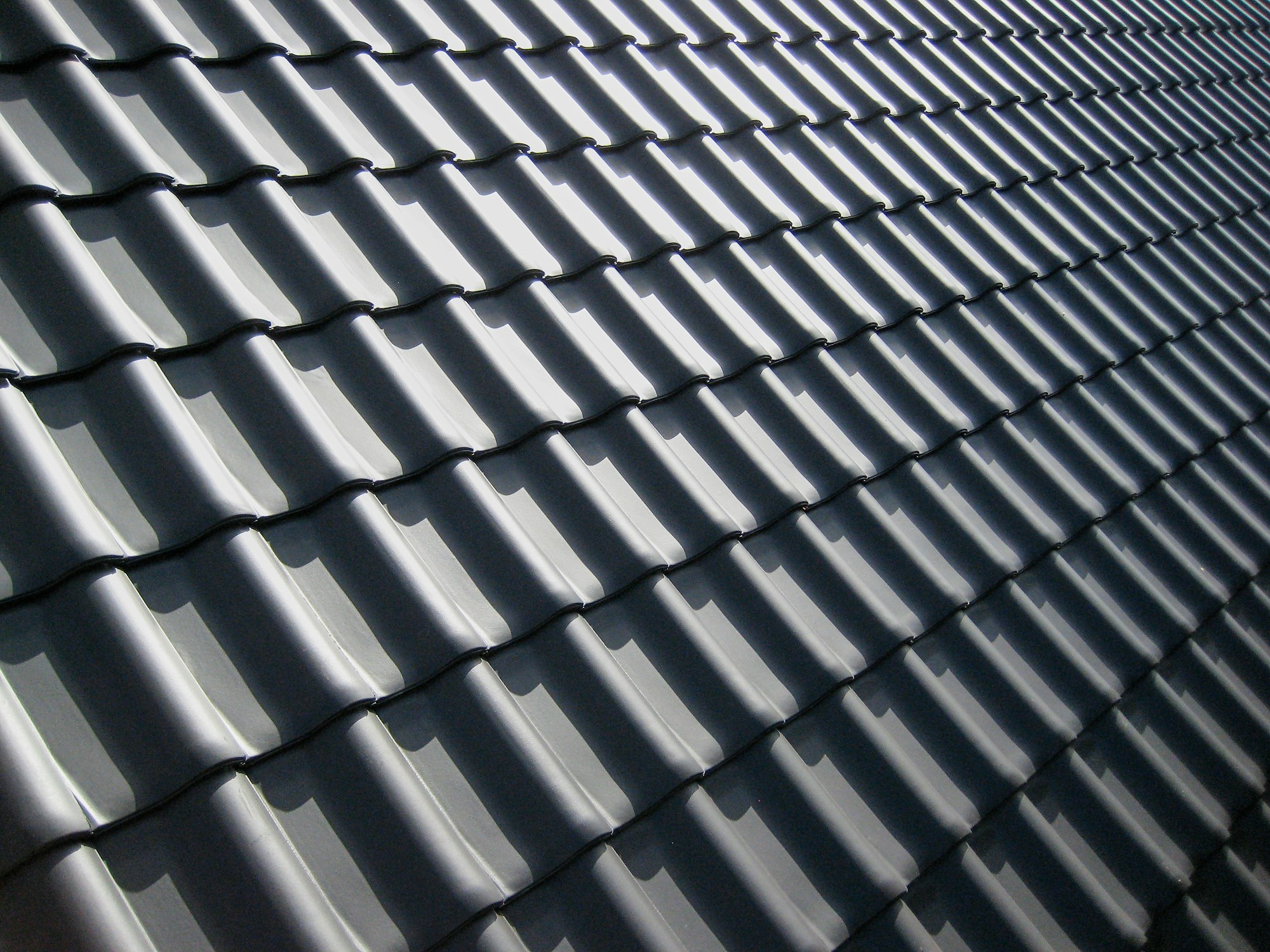
The U.S. Department of Energy puts a number on something Fort Worth homeowners only ever feel: a conventional roof can reach 150 degrees or more on a sunny summer afternoon. That is the surface sitting directly above your attic insulation in July, radiating downward while the air conditioner works against it from below.
A cool roof is the attempt to lower that starting number instead of removing the heat after it arrives. The idea gets sold hard across North Texas, and the claims attached to it range from carefully worded to nonsense. What follows separates the two: what reflectance is, what the measured figures promise, and when paying extra for it makes sense.
A Cool Roof Is a Surface Property, Not a Product Category
There is no such thing as a cool roof aisle. Reflectivity is a measured characteristic of a surface, and the same material can be built with it or without it. The Cool Roof Rating Council, the independent body that certifies these numbers, says its product ratings rest on two radiative surface properties: solar reflectance and thermal emittance.
Solar reflectance is the fraction of the sun's energy a surface bounces back instead of absorbing. The EPA calls a high solar reflectance, or albedo, the most important characteristic of a cool roof. Thermal emittance is the second half of the story: how readily the surface sheds the heat it does absorb rather than holding it and passing it into the deck. A surface can be good at one and mediocre at the other.
Both get combined into the Solar Reflectance Index, which runs from 0 to 100. Worth knowing before a sales conversation: the CRRC is explicit that SRI is a calculated value rather than a measured one. The reflectance and emittance behind it are the measurements. Ask for those two numbers, not a marketing adjective.
The Temperature Figures Are Real, and They Describe Different Things
The most quoted figure in cool roofing is the Department of Energy's: under the same conditions, a reflective roof can stay more than 50 degrees cooler than a conventional one. That is a true number and it is a surface number. It describes shingle or membrane temperature out in the sun, not the temperature of your living room.
The indoor figure is smaller and more honest. The EPA reports that cool roofs can lower maximum indoor temperatures by 2.2 to 5.9 degrees Fahrenheit, and it attaches that range specifically to buildings without air conditioning. Almost no house in Tarrant County falls into that category.
In an air-conditioned Fort Worth home, a cooler roof deck does not usually show up as a cooler room, because the thermostat was always going to hold the set point. It shows up as the compressor running less often to hold it. That is a real benefit and a modest one, and any contractor who promises a specific dollar figure off your electricity bill is guessing at your insulation, your duct losses, your windows and your habits.
Which Fort Worth Roofs Can Actually Be Built Reflective
Steep-slope asphalt shingles, which cover most of the housing stock from Arlington Heights out to Saginaw, have the lowest ceiling here. Reflective versions exist, and the Department of Energy's guidance is to choose a shingle factory-colored with light or cool pigments rather than anything applied later. The gain over a standard architectural shingle in a medium color is real but narrow, and dark gray remains dark gray no matter what the pigment technology does.
Metal roofing is where residential reflectance gets interesting. A factory-applied cool-colored coating on a standing-seam or metal shingle panel can carry a far higher reflectance than any asphalt product, and because the coating is baked on rather than embedded in granules, it holds its rating longer. Concrete and clay tile sit in a similar bracket when they carry a factory slurry or polymer coating.
The biggest gains are not residential at all. Low-slope commercial roofing on the shopping centers and warehouses along the Alliance corridor and the I-35W frontage is where a white single-ply membrane turns a surface that used to run near 150 degrees into one that runs far below it, across tens of thousands of square feet of exposure. If you own a building rather than a house, this is the version of the conversation worth having.
Reflectance and Hail Resistance Are Two Separate Tests
This is the most common mix-up in North Texas, and it costs people money. A cool roof rating measures what a surface does with sunlight. An impact rating measures what it does when something hits it. Different standards, different product lines, and a shingle can be excellent at one while ordinary at the other.
Fort Worth sits in a part of the country where the thing falling out of the sky usually matters more than the thing shining on it. If you are choosing one upgrade and only one, the impact side is the side that pays here, and our guide to reading a line-item roof replacement bid covers how that choice shows up in a price. Reflectance is worth having when it comes along with a roof you were replacing anyway, not instead of storm and hail damage repair that the roof actually needs.
A Reflective Roof Only Stays Reflective If It Stays Clean
Reflectance is a surface property, which means anything sitting on the surface changes it. The EPA says plainly that ongoing costs may include periodic maintenance to keep the roof clean and maximize its reflectance. It is the part that decides whether a cool roof is still one in year eight.
In Fort Worth the dulling agents are specific: spring pollen, the dust that blows in behind a dry front, traffic film along the I-30 and Loop 820 corridors, and debris from live oaks and pecans. On a low-slope commercial roof, ponding leaves a mineral film exactly where water sits longest. On a steep residential slope most of it washes off, which is one more reason the residential gain is narrower than the brochures suggest.
Debris management is also drainage management. Overflowing gutters and downspouts push water and grit back up under the first course of shingles, and the same neglect that dulls a reflective surface is the neglect that rots a deck edge. Treat them as one job.
When the Money Works, and When It Does Not
The Department of Energy is unusually frank about this: converting a roof that is in good condition into a cool roof can be expensive. The EPA adds that the cost difference between cool and conventional materials varies by product type, which is a polite way of saying the premium is small on some products and large on others.
That points to one clear rule. Reflectance is a decision to make at roof replacement time, when the incremental cost is the difference between two shingle lines or two coating options rather than the price of a whole new roof. Tearing off a sound eight-year-old roof to gain reflectance almost never returns the money in Tarrant County.
The usual winter objection matters less here than it does elsewhere. The EPA notes that cool roofs may increase energy use during winter months in cold climates, and that this is typically offset by summer cooling savings. Fort Worth's cooling season dwarfs its heating season, so the trade sits firmly on the summer side of the ledger. The honest starting point is a roof inspection that tells you how much life the current roof has left, because that number, not the reflectance number, decides whether this is a real decision yet.
Cool Roof Questions Fort Worth Homeowners Ask
Will a cool roof lower my electric bill?
It can reduce cooling load, but the size of the effect depends on your attic insulation, duct sealing and how much of the house sits under conditioned space. A poorly insulated attic will swamp the benefit of a reflective surface above it. If the goal is a lower summer bill rather than a new roof, insulation and duct work usually buy more per dollar, and neither requires touching the roof.
Does a cool roof have to be white?
No. White and light colors reach the highest reflectance values, which is why they dominate low-slope commercial work, but cool-colored pigments let darker shingles and metal panels reflect more of the infrared part of sunlight than their color suggests. A medium-tone cool shingle will not match a white membrane, and it will outperform an ordinary shingle in the same shade. Neighborhood rules are worth checking before you fall for a color.
Does reflectance fade over time?
Yes, and the first few years are the steepest. Dirt, pollen, traffic film and biological growth all lower reflectance from the day the roof goes on, which is why the EPA treats cleaning as an ongoing cost rather than an optional extra. Ask what the rated value is after three years of weathering, not just on day one.
How do I check that a product is actually rated?
Ask for the product name and look it up in the Cool Roof Rating Council's rated products directory, which lists the tested reflectance and emittance values for each one. The CRRC does not recommend brands, so the directory is a neutral check on whatever a sales sheet claims. If a contractor cannot name the specific product line, there is no rating to verify.
Wondering how much life the current roof has left?
Reflectance is a decision for replacement day. A free walked inspection tells you when that day is, with photographs of every slope and a written line-item estimate attached.
Book a free inspection