
Storm & Hail Damage Roof Repair
Storm & Hail Damage Roof Repair in Fort Worth
Post-event assessment and documentation for homes across Tarrant County after the hail and straight-line wind that come through most springs.
Insured crews · Impacts chalked and photographed with scale · Texas-compliant on deductibles and claim handling
What to Do After a Hail Event in Fort Worth
Storm and hail damage roof repair in Fort Worth is the service with the highest stakes and the most bad actors attached to it. Within days of a hail event, crews with out-of-state plates are working the streets, knocking doors, offering to handle claims and hinting that deductibles can disappear. Roofing Fort Worth Pros does none of that.
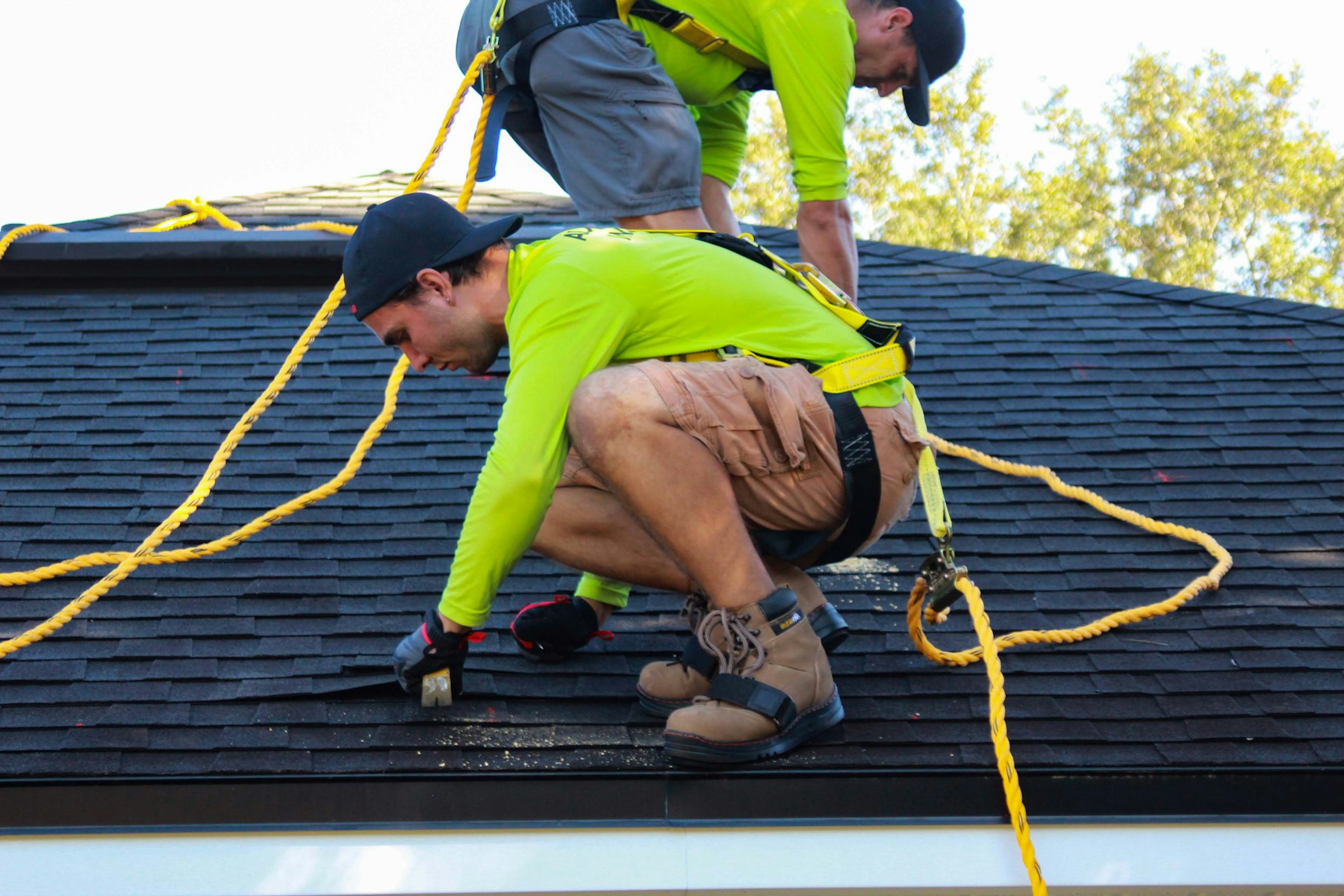
What we do is climb the roof, mark and photograph the impact points, assess whether the strike pattern actually rises to functional damage, and write it up. Tarrant County sits in one of the most hail-exposed corridors in the country, and the difference between cosmetic bruising and a compromised mat is the difference between a claim that goes somewhere and one that does not.
The homeowner almost never has the information to tell them apart, and that information gap is precisely what gets exploited. Ours is a documentation-first visit, and the report is yours whether or not any work follows.
What the Storm Assessment Covers
Every element below is documented and itemized. Nothing is asserted without a photograph behind it.
- Full slope-by-slope impact surveyEach elevation is walked and test squares are marked and counted, because hail damage is directional and one slope frequently qualifies while another does not.
- Photographic documentation of every strikeImpacts are chalked and photographed with scale so the images stand up to an adjuster review rather than being a set of vague roof pictures.
- Mat and granule loss assessmentWe distinguish granule scouring from genuine mat fracture, since the first is cosmetic and the second shortens the roof service life materially. The distinction is what determines whether the damage is functional.
- Soft metal and collateral evidenceVents, gutters, downspouts, flashing, window wraps, fascia, air-conditioning fins and fence caps are checked, because dents in soft metals corroborate the date and severity of the event.
- Wind damage recorded separately from hailStraight-line wind lifts and creases tabs and takes ridge caps, which is a different failure mode from impact and is recorded on its own.
- Decking and penetration checkWhere damage is extensive we assess the sheathing and every penetration, as a compromised deck changes the recommendation from repair to replacement.
- Written condition report you keepFindings, photographs and our assessment in a document you own, usable for your own records or for your insurer.
- Adjuster meeting on the roofWe will meet your adjuster on site and walk the findings with them so the inspection happens with both parties looking at the same evidence.
- Temporary protection where the roof is actively openIf the event has left the deck exposed or a slope compromised, the area is covered and secured so the interior is protected while the rest is sorted out.
- Repair or replacement, scoped and priced line by lineWhichever the roof actually calls for, the scope is itemized exactly as every other job we quote.
How the Post-Storm Process Runs
- 01
The assessment
A crew member walks every slope, marks and counts test squares, photographs the impacts with scale, and checks the soft metals and collateral areas that corroborate the event. This takes longer than a routine inspection, usually around an hour, because the documentation has to be thorough enough to hold up. You receive the images and a written condition report.
- 02
The straight conversation about your options
We tell you plainly whether what is on the roof is cosmetic or functional, and what that means. If it is worth filing, you file it. We will not file it for you, we will not adjust it for you, and we will not offer to cover your deductible, because Texas law is specific on all three and the contractors who ignore it leave the homeowner holding the problem.
- 03
The work, once the scope is settled
When the scope is agreed, whether through insurance or paid directly, the job runs exactly like any of our other work: permit pulled, start window and duration given up front, rain contingency stated, decking checked once the old system is off, and a magnetic sweep at close-out. The workmanship warranty is written separately from the manufacturer material warranty.
Why This Is the Call to Make After a Storm
We are here before the storm and after it
The trucks that arrive the week after a hail event leave when the work does. Our crews run Tarrant County continuously, which means the warranty on a roof installed after this spring storm is held by people you can still reach next spring.
Documentation built to survive a second look
Chalked, scaled, slope-by-slope photographs with the collateral evidence recorded alongside them. Whether that gets used by an adjuster or simply sits in your file, it is a real record rather than a handful of phone pictures.
We stay on the right side of the Texas rules
No claim handling on your behalf, no deductible games, no signing you onto a contingency agreement in your driveway before anyone has been on the roof. That restraint costs us jobs and it is not negotiable.
- Insured crews
- Free post-storm assessment
- Scaled photographic documentation
- Adjuster meeting on the roof
- Line-item written estimate
- Texas-compliant on claims and deductibles
Get the Roof Documented While the Evidence Is Fresh
Hail evidence weathers, and the longer a damaged slope sits the harder the event is to establish. Have someone climb it, mark it and photograph it properly. You keep the report regardless of what you decide to do with it, and there is no pressure on the call.
Book the storm assessment — (817) 369-3918