
Roof Leak Repair
Roof Leak Repair in Fort Worth
Source tracing and correction for homes across Fort Worth, from the older streets around Fairmount to the newer additions off Chisholm Trail Parkway.
Insured crews · Leak traced before it is quoted · Before and after photographs with the invoice
Finding Where the Water Is Actually Getting In
Roof leak repair in Fort Worth almost never starts where the homeowner thinks it does. Water enters at a failed boot, a lifted flashing lap or a valley, then runs along a rafter, crosses a truss and drops through the ceiling several feet away from the breach.
Roofing Fort Worth Pros traces it back rather than patching where the stain is, which is the difference between a fix and a repeat visit next spring. Locals call about this after a heavy rain, when a ceiling stain appears or grows, when there is a drip during a storm that stops afterward, or when a musty smell develops in a closet against an exterior wall.
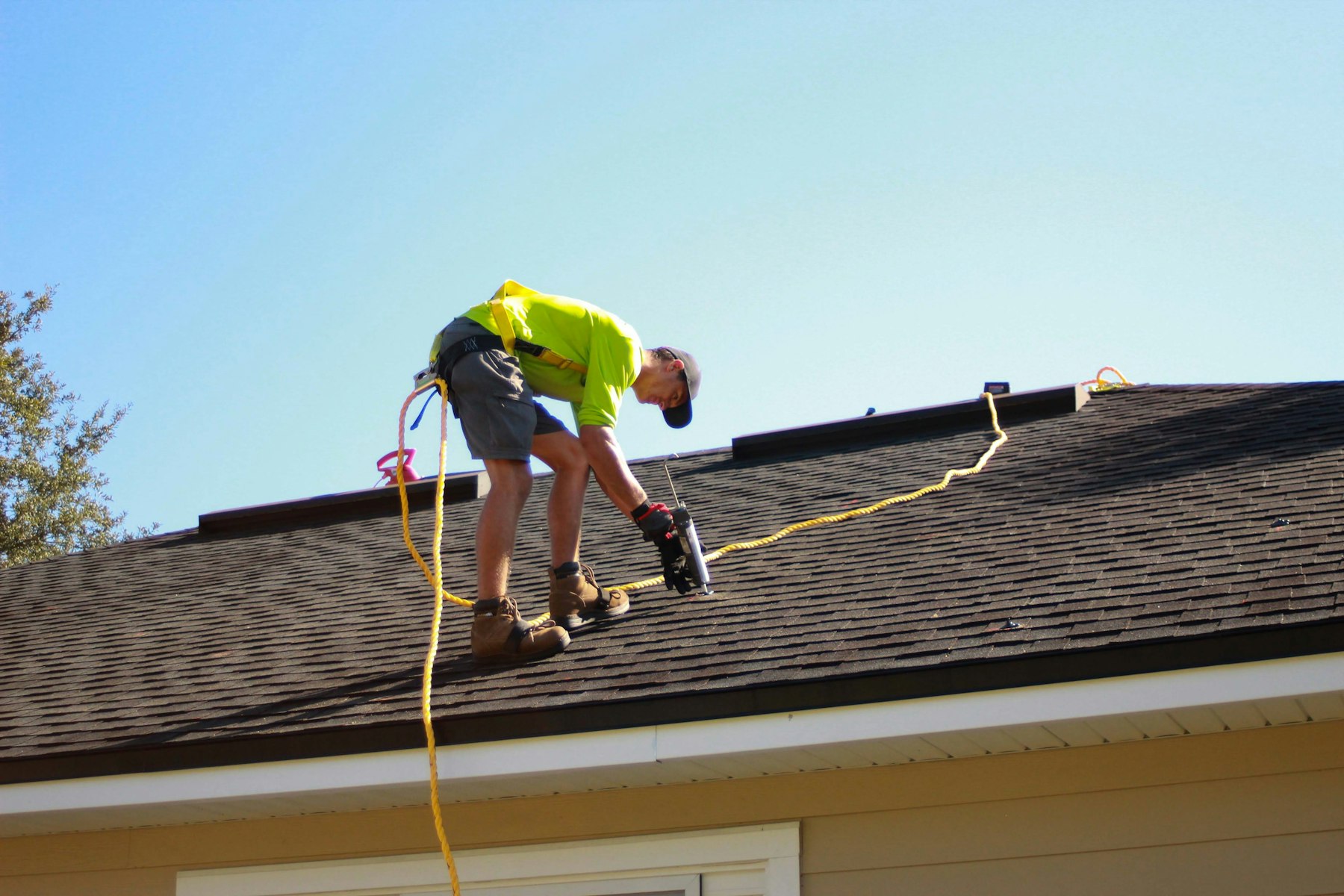
The visit involves both sides of the roof: we get into the attic where access exists to follow the water trail up to its origin, then we go on the roof and confirm it from above. Only once the entry point is established do we quote the repair, and the quote is itemized like everything else we write.
What Leak Tracing and Repair Covers
The trace comes first and the price comes second. Nothing below is guessed at from the ground.
- Interior symptom assessmentWe start at the stain, drip or smell and map where the water is presenting, because the location and shape of the mark narrows the likely origin considerably.
- Attic-side trace where access existsFollowing the water track along the sheathing, rafters and trusses back to the point of entry, checking for daylight, darkened wood and wet insulation along the way.
- Roof-side confirmation of the entry pointNothing is quoted on an attic theory alone. The suspected breach is located and photographed from above before the fix is priced.
- Pipe boot and penetration failuresSplit collars, backed-out fasteners and improperly sealed penetrations, which between them account for a large share of the leaks we trace on Fort Worth roofs.
- Flashing failures at walls, chimneys and skylightsStep and counter flashing that has come loose, corroded or been lapped backwards, plus skylight curb detail that has failed at the perimeter rather than the glass.
- Valley breachesWhere volume and debris concentrate. The valley is opened, the membrane beneath inspected, and the detail rebuilt properly rather than sealed on the surface.
- Deck damage around the entry pointSheathing that has been wet long enough to soften is cut out and replaced. Putting new shingles over compromised decking guarantees the repair fails.
- Ventilation and condensation diagnosisNot every ceiling stain is a roof leak. Attic condensation from poor ventilation produces the same symptom, and if that is what is happening we will tell you rather than sell you a roof repair that cannot fix it.
- Temporary protection where water is actively enteringIf rain is due before the permanent repair can be scheduled, the area is covered and secured so the interior stops taking damage.
- Before and after photographs with the invoiceThe breach as we found it and the completed repair, documented so the work is verifiable.
How a Leak Call Runs
- 01
Describe it on the phone
Tell us where the stain is, whether it appears only during rain, whether it is growing, and roughly when you first noticed it. That information shapes what we look for and how fast we need to get there. Active intrusion during a wet week moves to the front of the schedule.
- 02
The trace
On site we start inside, map the symptom, get into the attic where there is access and follow the water back toward its origin. Then we go up and confirm it from the roof side and photograph the breach. Most traces take under an hour. Occasionally a leak is genuinely elusive and needs a water test, and we will tell you if that is the situation rather than guessing.
- 03
The repair
You get the photographs, the explanation of what is happening, and an itemized price. Most leak repairs are completed in a single visit. Any wet decking is replaced before the surface goes back on, the finished area is photographed, and the repaired section carries our workmanship warranty in writing.
Why Our Leak Repairs Hold
We do not patch the stain
Sealing the ceiling side or smearing mastic where the drip appears is the fastest way to be back in three months. Tracing the water to its actual origin takes longer on the first visit and removes the second one.
We will tell you when it is not the roof
Attic condensation, a failed HVAC condensate line and a plumbing leak in a wall cavity all produce ceiling stains. Diagnosing those correctly means no sale for us that day, and it is still the right answer.
The decking gets replaced, not covered
Wood that has been taking water for months does not dry into something a fastener will hold. If the sheathing around the breach has gone soft it comes out, and that line appears on the estimate.
- Insured crews
- Free leak assessment
- Attic-side and roof-side tracing
- Before and after photographs
- Line-item written estimate
- Workmanship warranty on the repaired area
Stop It Before the Decking Goes
A leak that has been running for one season is a boot and an afternoon. The same leak after three seasons is decking, insulation and drywall. Get the entry point found while the repair is still small, and get it documented properly.
Get the leak traced — (817) 369-3918