
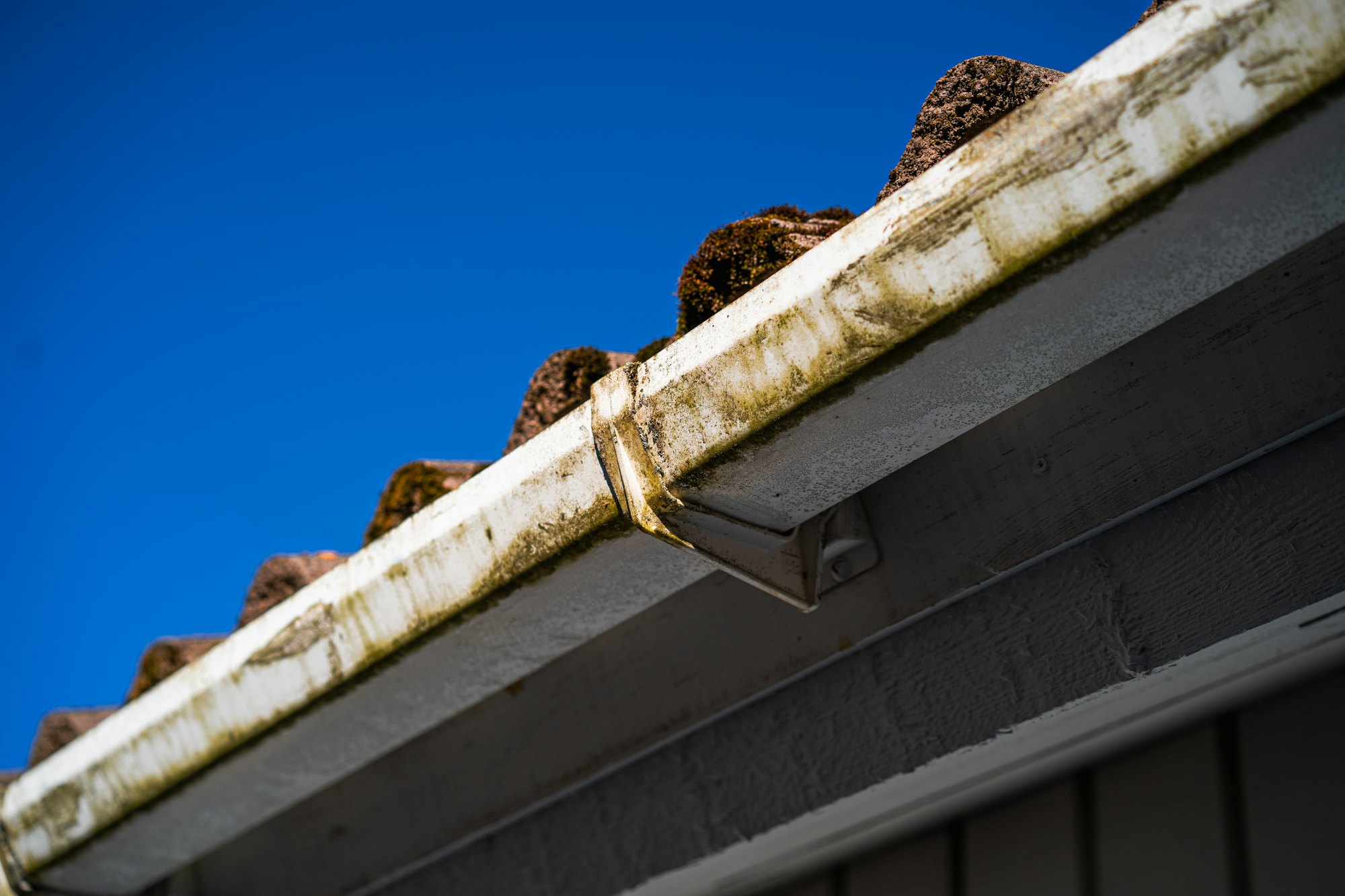
Stand at the corner of the house and look up. The board along the bottom edge of the roof, the one the gutter hangs from, is the fascia. The flat panel underneath it, closing the gap between the overhang and the wall, is the soffit. Together they make up the eave, and in Fort Worth they take more abuse than almost any other part of the roof system while getting less attention.
Soffit and fascia repair is rarely urgent the day you first notice a problem, and almost always more expensive by the time someone gets to it. Here is what to look for from the ground, from a ladder and from the attic, and how to tell a trim problem from a roof problem that happens to show up at the trim.
The Roof Edge Has Two Jobs, and Both Fail Quietly
Fascia closes off the rafter ends and gives the gutter something solid to fasten to. Soffit seals the underside of the overhang and, on most newer homes, carries the vents that let outside air into the attic. When either fails, the first casualty is usually whatever sits behind it: rafter tails, the edge of the roof deck, insulation or the attic air path.
Both fail quietly because they sit below the line of sight. A leak through the field of the roof stains a ceiling and gets a phone call within a week. Water wicking into a fascia board can soften it for several summers before anyone sees paint lifting, and by then the rot may have reached the rafter ends.
Older Fort Worth homes in Fairmount, Ryan Place and Arlington Heights typically have solid wood eaves, painted many times over. Newer Tarrant County subdivisions more often pair wood or composite fascia with vinyl or aluminum soffit. The checks below cover both.
Peeling Paint and Dark Streaks Are the First Signs of Fascia Rot
Paint that blisters or flakes in one stretch of fascia while the rest of the trim looks fine is the earliest reliable sign of moisture inside the wood. Paint fails from behind when water gets into the board, so a localized patch points at a localized water source, usually directly above it.
Look for these from the ground, ideally with binoculars on a bright afternoon:
Paint failure concentrated near downspout outlets, gutter seams or the low corners where two roof planes meet.
Dark vertical streaks running down the face of the fascia from behind the gutter, which suggest water is overshooting or seeping behind it.
A wavy or bowed line along the bottom of the gutter instead of a straight, even pitch toward the downspouts.
Gaps opening between the fascia and the shingle edge, or between the fascia and the soffit panel beneath it.
None of these confirms rot alone, but each tells you where to put the ladder.
A Screwdriver Test Separates Surface Damage From Rotten Wood
Sound wood resists a firm push from a flat screwdriver; rotten wood lets the tip sink in with a spongy or crumbling feel. Press at the bottom edge of the fascia, at board joints and around every gutter hanger and downspout bracket, where water lingers and fasteners open a path into the grain.
If the tip stops after an eighth of an inch or so, you are usually looking at weathered surface fibers that can be scraped, treated and repainted. If it drives in deeply, or the board flexes, the damage is structural: the board comes off, and the rafter tails behind it get checked before new wood goes on.
Check the gutter while you are up there. Hangers that spin freely or a gutter that pulls away under a light tug mean the fascia has lost its grip on the fasteners. That is a gutters and downspouts problem and a fascia problem at once, and fixing only one brings the other back.
Water at the Roof Edge Usually Comes From Above the Fascia
Most fascia rot comes from water arriving off the roof, not weather hitting the board's face: a clogged or mis-pitched gutter, or a missing drip edge that lets runoff curl under the shingle edge into the top of the board.
GAF, the shingle manufacturer, describes drip edge as metal flashing that diverts water away from the roof's edge and fascia and helps protect the roof deck and fascia from wind-driven rain. The same page notes that the National Roofing Contractors Association recommends drip edge at all eaves and rakes on asphalt shingle roofs, and that not every existing shingle roof has it.
That matters on older Fort Worth houses that have been reroofed several times. If the eave has no drip edge, or it was bent during a past tear-off, a new fascia board will rot exactly where the old one did. If the shingle edge is curled, cracked or short of the fascia, it is a roof repair question as well as a carpentry one.
Trees speed this up. Live oaks and pecans shade most established Fort Worth neighborhoods, and their leaves, catkins and twigs fill gutters on no particular schedule. A full gutter in a heavy spring storm sends water over the back edge and into the fascia.
Holes and Sawdust Along the Eaves Often Point to Carpenter Bees
Round, clean holes about half an inch across on the underside of fascia or in soffit boards, sometimes with a small pile of coarse sawdust beneath them, are the signature of carpenter bees. Texas A&M AgriLife's entomology program notes that these bees prefer unfinished softwoods such as redwood, cypress, cedar and pine for nesting, and that their tunnels follow the grain and may extend 6 to 8 inches.
The same source says the bees become active in April or May and that damage is largely cosmetic unless nesting sites are used repeatedly over years. That qualifier matters for eaves: a board reopened and extended season after season loses real strength, and every hole is another way in for water.
Since the bees favor unfinished wood, keeping trim painted or sealed before spring is the practical defense. Any spot with holes deserves the screwdriver test even if the paint around it looks fine.
Gaps, Sagging Panels and Droppings Mean Something Is Getting In
A soffit panel that sags, hangs open or shows a chewed edge is an open door into the attic. Squirrels, birds and raccoons all use the eave line as an entry point.
Signs to look for underneath the overhang include:
Panels that have dropped out of their channel, or vinyl soffit that has warped and pulled away from the wall.
Chewed corners where the soffit meets the fascia, especially at the outside corners of the house.
Nesting material, droppings or staining on the wall directly beneath a gap.
Animal damage and rot often show up together, because softened wood is easier to chew. If animals are inside, removal comes first; the repair should then close the gap at the fascia line, not just patch the entry hole.
Blocked Soffit Vents Change How the Whole Attic Works
Soffit vents are the intake half of most attic ventilation systems, so a soffit can look perfect outside and still fail at its main job. If insulation has been pushed against the vents, or they were painted over during a past repair, outside air never reaches the attic.
The Building America Solution Center at Pacific Northwest National Laboratory explains that baffles keep insulation from blocking the soffit vents, and recommends a baffle wherever there is a soffit vent. In a Fort Worth attic in August, a blocked intake means hotter air trapped under the deck all summer.
Checking takes a flashlight and a trip into the attic. Look toward the eaves along the outside walls for daylight or a clear channel at the bottom of each rafter bay. Insulation packed solid against the deck there means the vents outside are doing little. A roof inspection that includes the attic records this alongside the decking condition at the edge.
Soffit and Fascia Questions From Tarrant County Homeowners
Can I repair soffit and fascia myself?
Repainting sound trim, resealing joints and refastening a loose vinyl panel are reasonable homeowner jobs. Replacing rotten fascia is different: the gutter comes down, the rafter tails need checking and the drip edge must lap correctly over the new board, or water goes right back into fresh wood.
Does homeowners insurance cover rotten fascia?
Rot that develops slowly from long-term moisture is generally treated as maintenance rather than a covered loss, while sudden storm damage, such as wind tearing gutters and fascia off, is a different situation. Your own policy's wording decides it, so photograph storm damage before anything is removed. Our storm and hail damage roof repair page covers what a post-storm inspection looks at.
Should I replace wood fascia with something that does not rot?
Fiber cement, PVC trim and aluminum fascia wrap all avoid rot, but none fixes the water source. Aluminum wrap installed over wood that is already soft can hide rot while it keeps spreading behind the metal.
Is soffit and fascia work done with roof replacement?
Often it makes sense to combine them, since a tear-off exposes the deck edge and the top of the fascia and is the best chance to install new drip edge correctly. Our guide to reading a roof replacement bid explains how trim and decking work should appear as separate line items.
Not sure whether the soft spot goes deeper than the trim?
We probe the fascia, look under the first course of shingles and check the eaves from the attic side, then hand you photographs and a written estimate at no charge.
Get in touch